
Sublight Survival Guide: Mobility, Regen, and Difficulty Scaling
How to stay alive in Sublight when enemy scaling accelerates: movement, turn speed, regen, shields, impact resistance, and the 30-minute hunter.
Survival in Sublight is mostly about buying enough time and space for your damage to keep scaling. Movement speed, turn speed, health or shield regeneration, and impact resistance are valuable when they preserve firing uptime. On long runs, do not mistake “still alive” for “ahead of the curve”: enemy scaling keeps rising, so defense must support damage, not replace it.
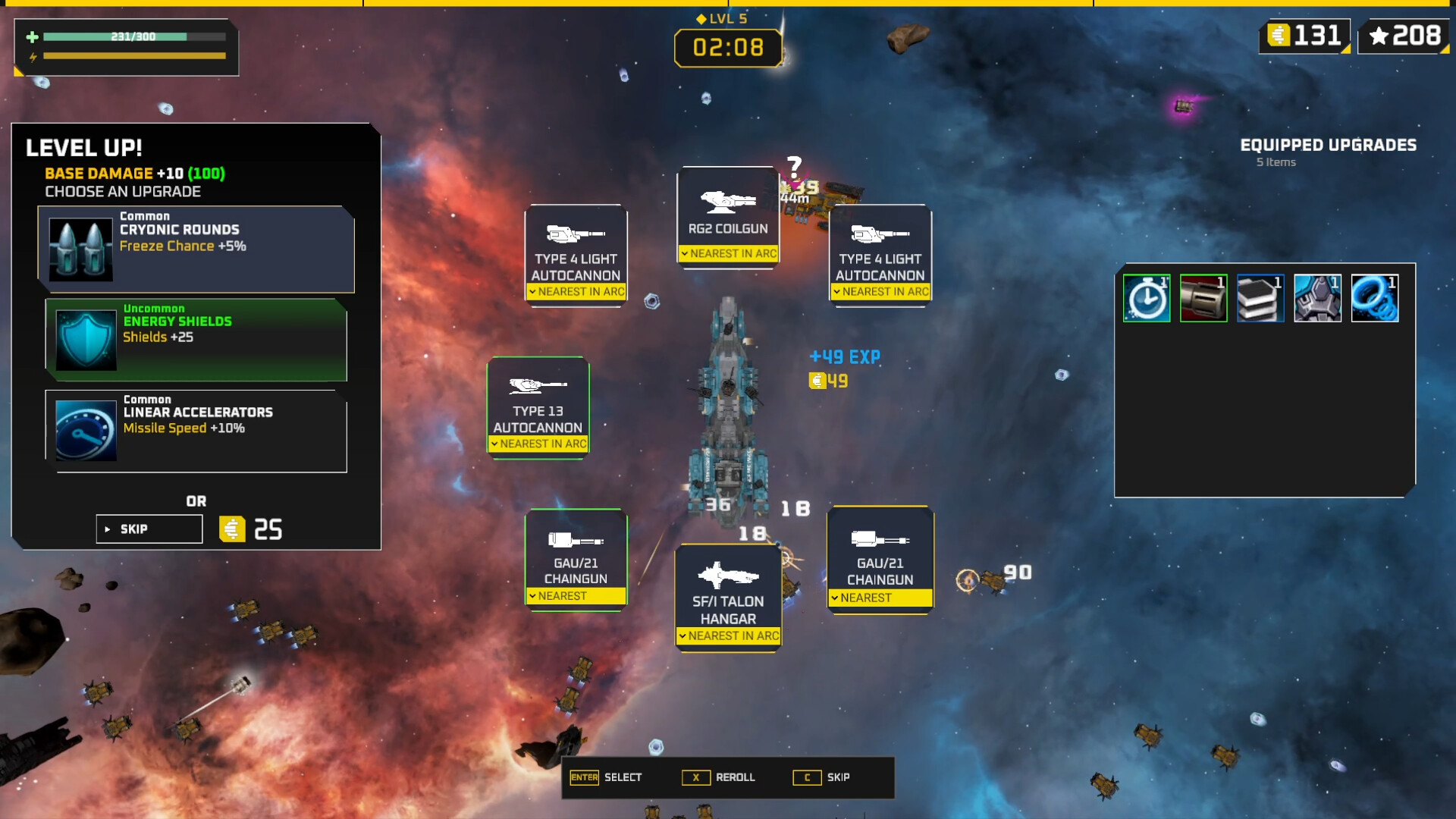
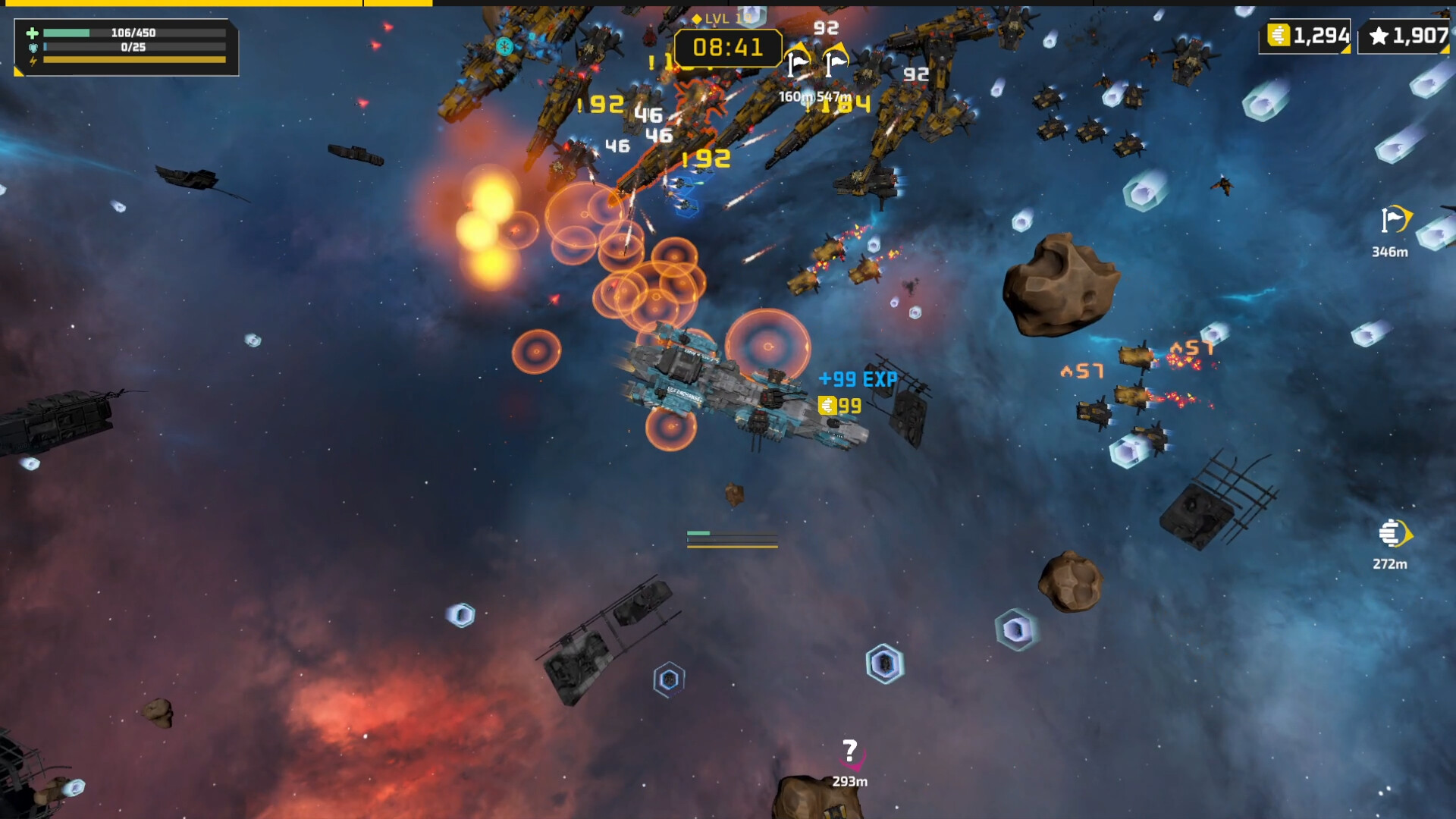
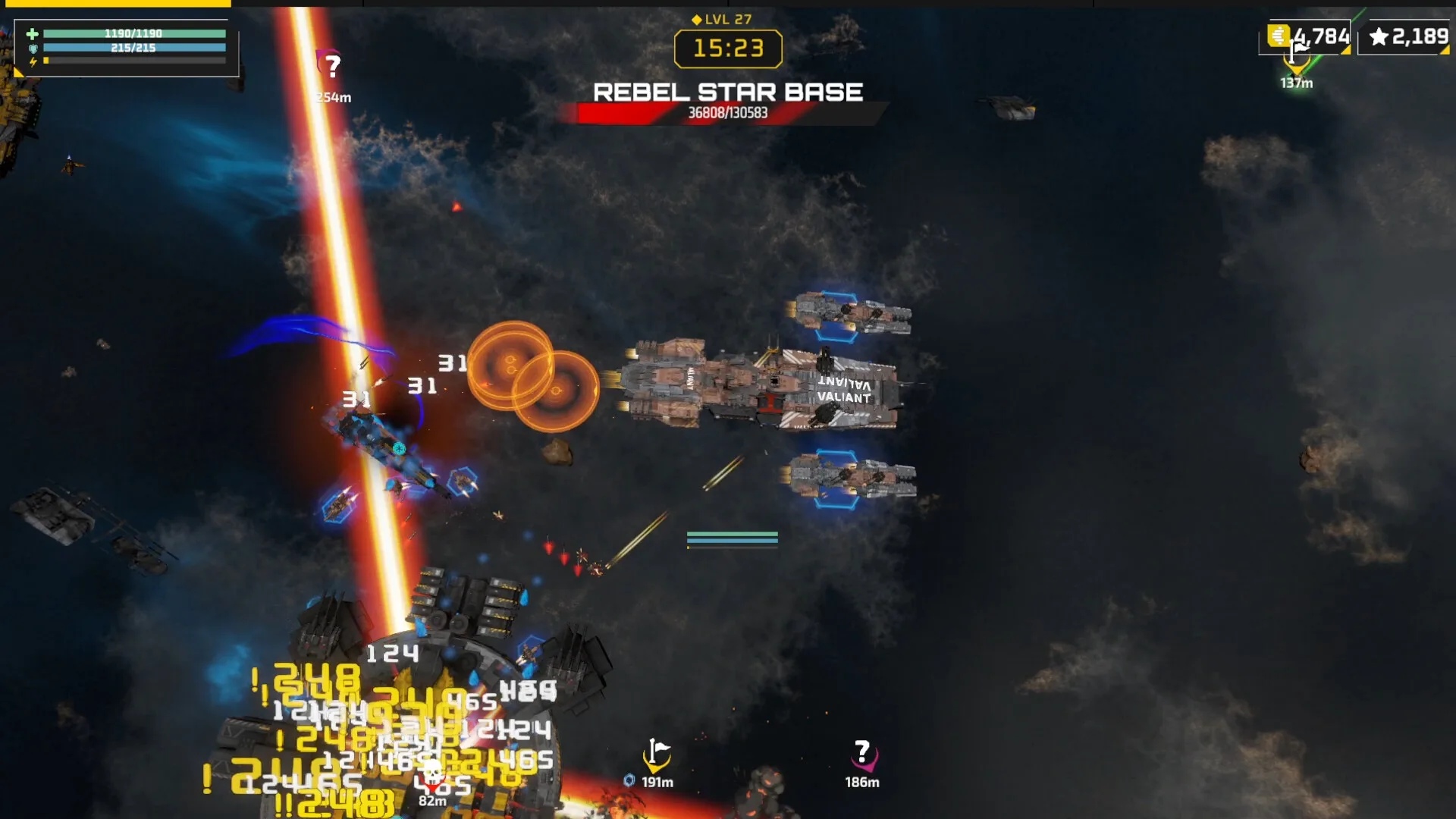
Understand the scaling clock
Official 0.16.6 notes describe enemy health, damage, and speed ramping much harder after roughly the ten-minute mark. Later patches continued tuning the 20–30 minute window, and 0.18 added a powerful flagship that begins hunting the player after 30 minutes. That makes passive survival a losing plan: you need enough defense to keep moving while your offense keeps improving.
Why movement and turn speed are damage stats
Several gameplay videos independently converge on the same practical lesson: speed and regeneration give the ship enough breathing room to keep upgrading damage. Turn speed is especially important on hulls with narrow arcs. If you rotate too slowly, the turret may have a strong theoretical output but poor real uptime.
Defensive picks by problem
| Problem | Priority | Reason |
|---|---|---|
| Getting boxed in | Move speed + turn speed | Creates escape lanes and keeps arcs on target |
| Chip damage | Regen / shields | Lets small mistakes heal between pressure spikes |
| Frequent collisions | Impact resistance | Reduces punishment when dense swarms force contact |
| Boss takes too long | Stop adding defense | A long boss fight creates more opportunities to get hit |
Use difficulty as progression, not ego
The game has used harder difficulty as an incentive for additional rewards and unlocks during the demo progression system. Treat difficulty increases as a test of whether your build can still kill on schedule. If damage falls behind, go back one step and fix the build instead of stacking more sustain.