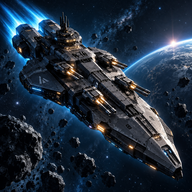
Sublight Missile Build: Range, Explosive Damage, and Coverage
A practical Sublight missile build guide using current official weapon rules and demo-run evidence: what to prioritize, what can go wrong, and how to avoid dead coverage.
Build missiles around range, explosive damage, enough attack speed or launcher volume, and mobility that keeps targets inside useful arcs. Missiles are forgiving because they continue toward targets, but a missile-only setup can struggle when dense swarms and large threats overlap. Do not sacrifice all coverage just to maximize single-projectile damage.
Core priorities
| Priority | Why it matters |
|---|---|
| Attack range | Lets launchers engage earlier and stay productive while you maneuver |
| Explosive damage | Supports the missile damage family and current autocannon crossover options |
| Attack speed / launcher volume | Prevents a high-damage build from feeling empty between volleys |
| Projectile speed | Improves practical hit timing on moving targets |
| Mobility | Lets you keep favorable distance without surrendering firing arcs |
The failure mode: too few missiles in the air
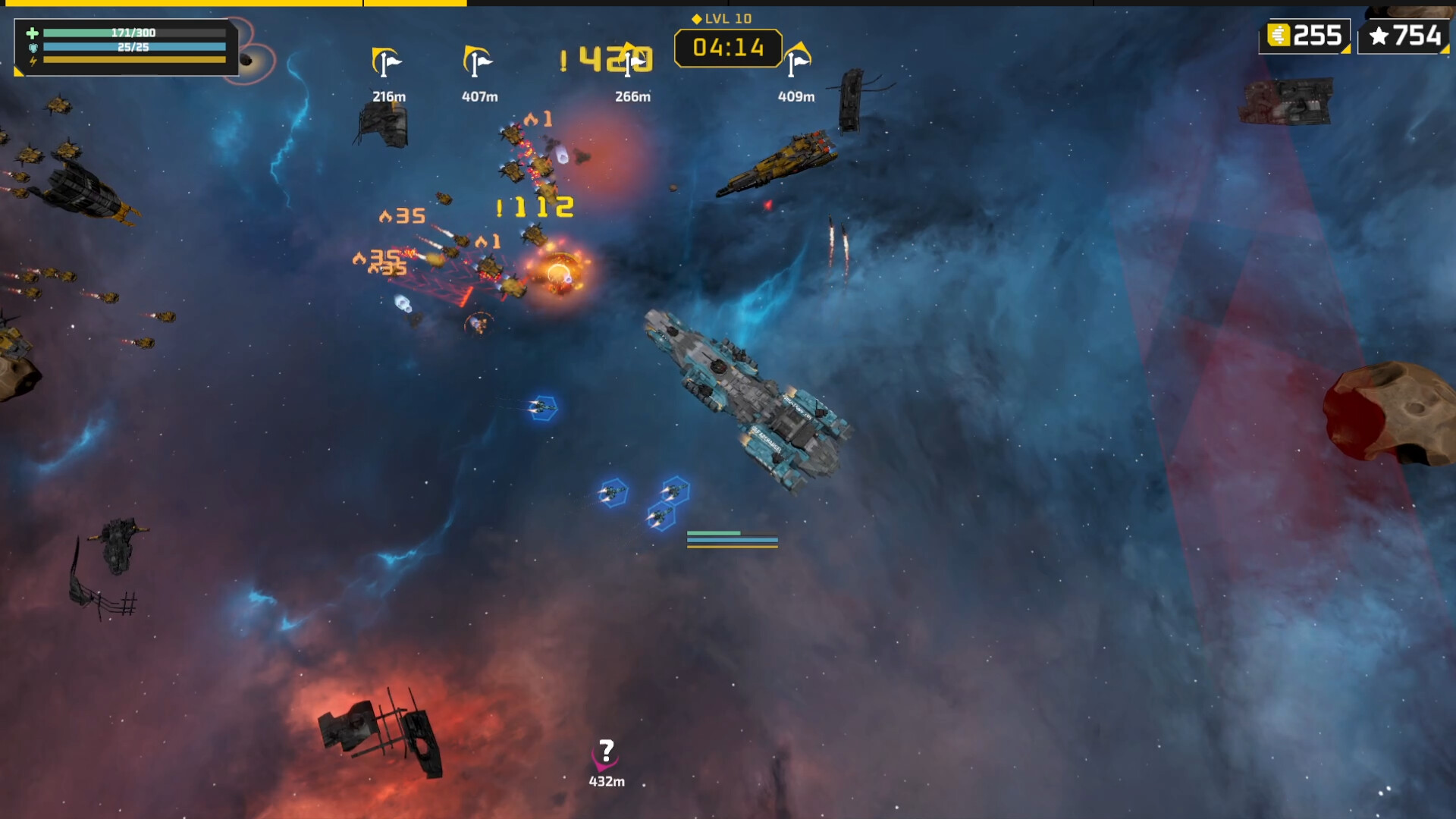
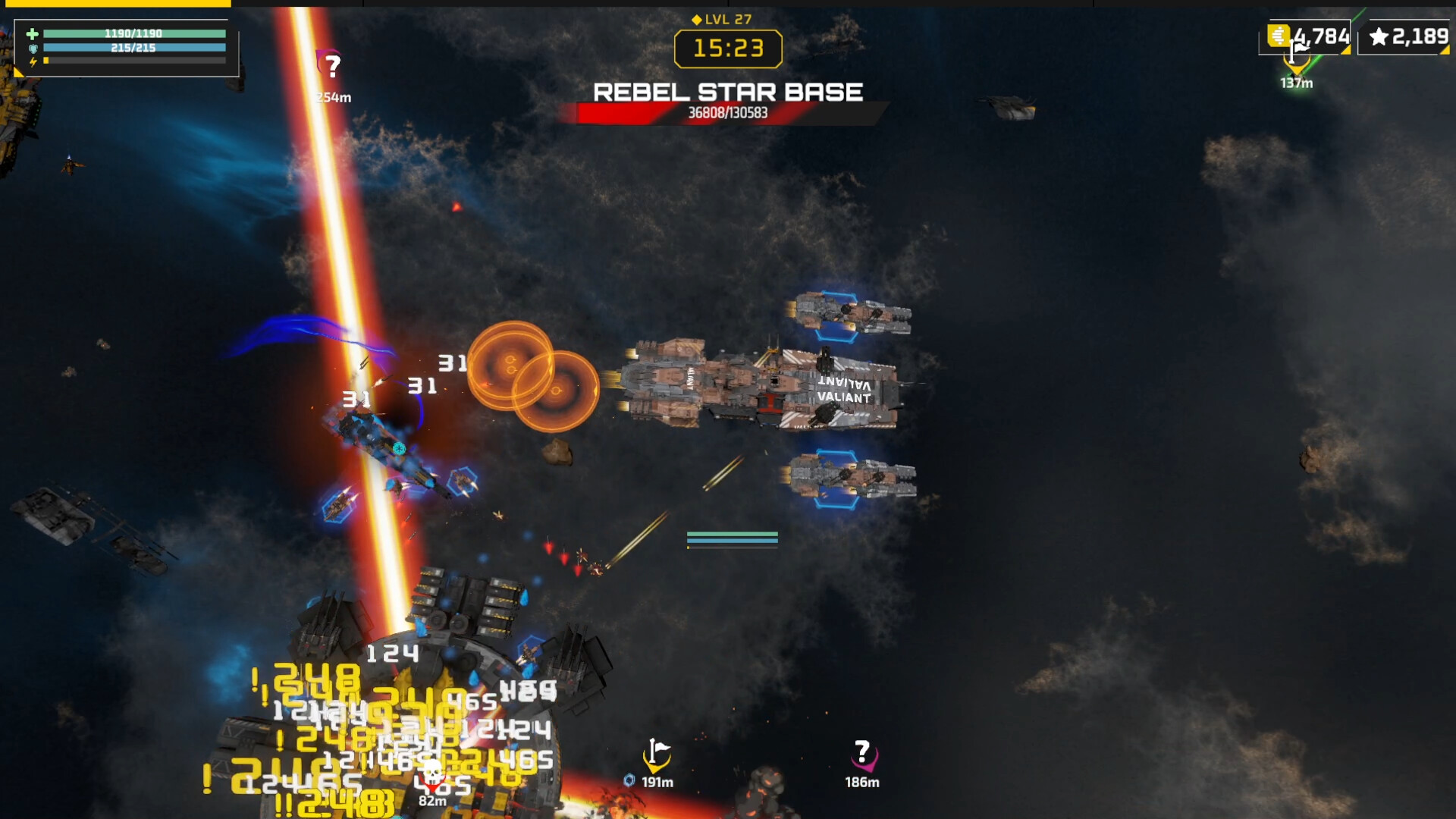
One long-form demo run explicitly hit this wall: the player could not fire enough missiles to handle the large threats and dense pressure at the same time. That is useful evidence because it highlights the hidden constraint of the archetype. A missile build is not just “explosive damage.” It also needs sufficient coverage and firing volume.
What the patches changed
Patch 0.17.4 changed the Tier 3 missile launcher to feel like a direct upgrade and noted that swarm launchers would become a separate tree. That is a strong reason to avoid treating every missile-type launcher as the same tool. At launch, compare behavior and firing pattern, not only the damage card.
Decision rule
If a choice gives you more damage but reduces the number of targets you can pressure, take it only when your current loadout already has enough lane coverage. If the screen is filling faster than enemies die, solve volume first.